Claude Mythos is not explosive because of benchmarks
If the claims from the system card are true, this is not about a better chatbot. It is about a model that finds legacy vulnerabilities, chains exploits, and shortens the timeline for real-world cyber risks. Published on 8 April 2026 • AI translated
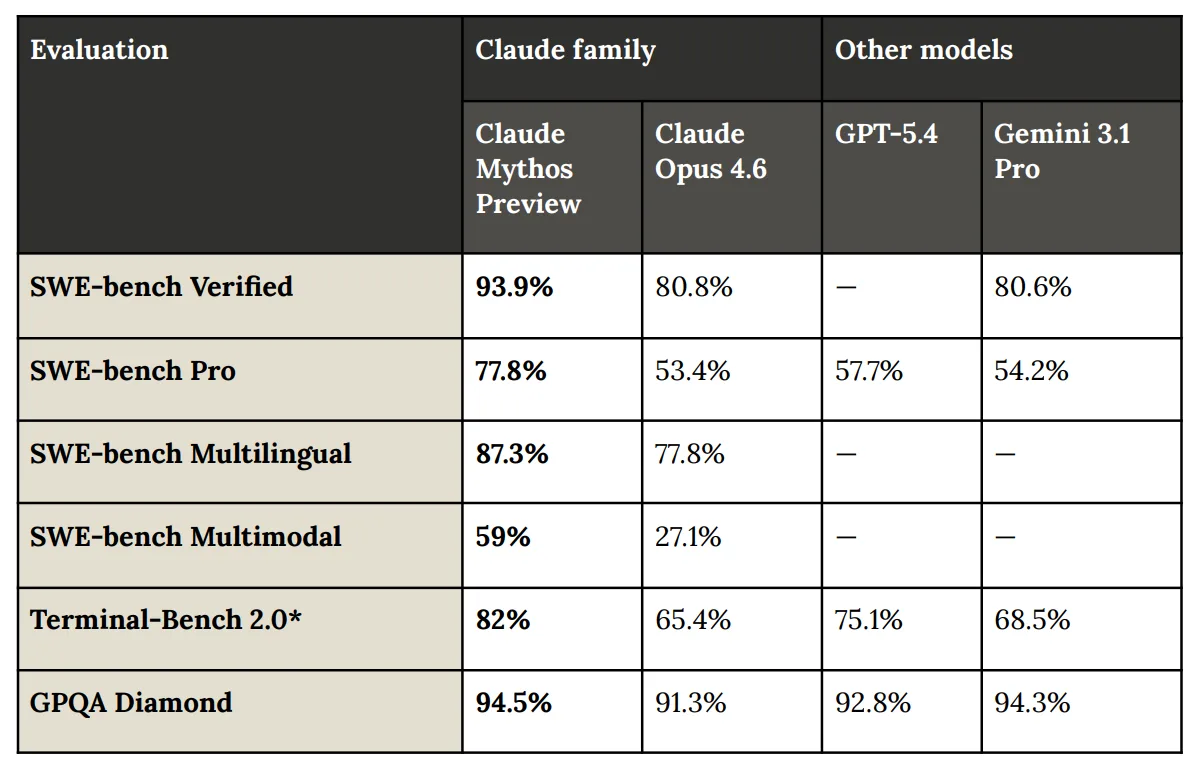
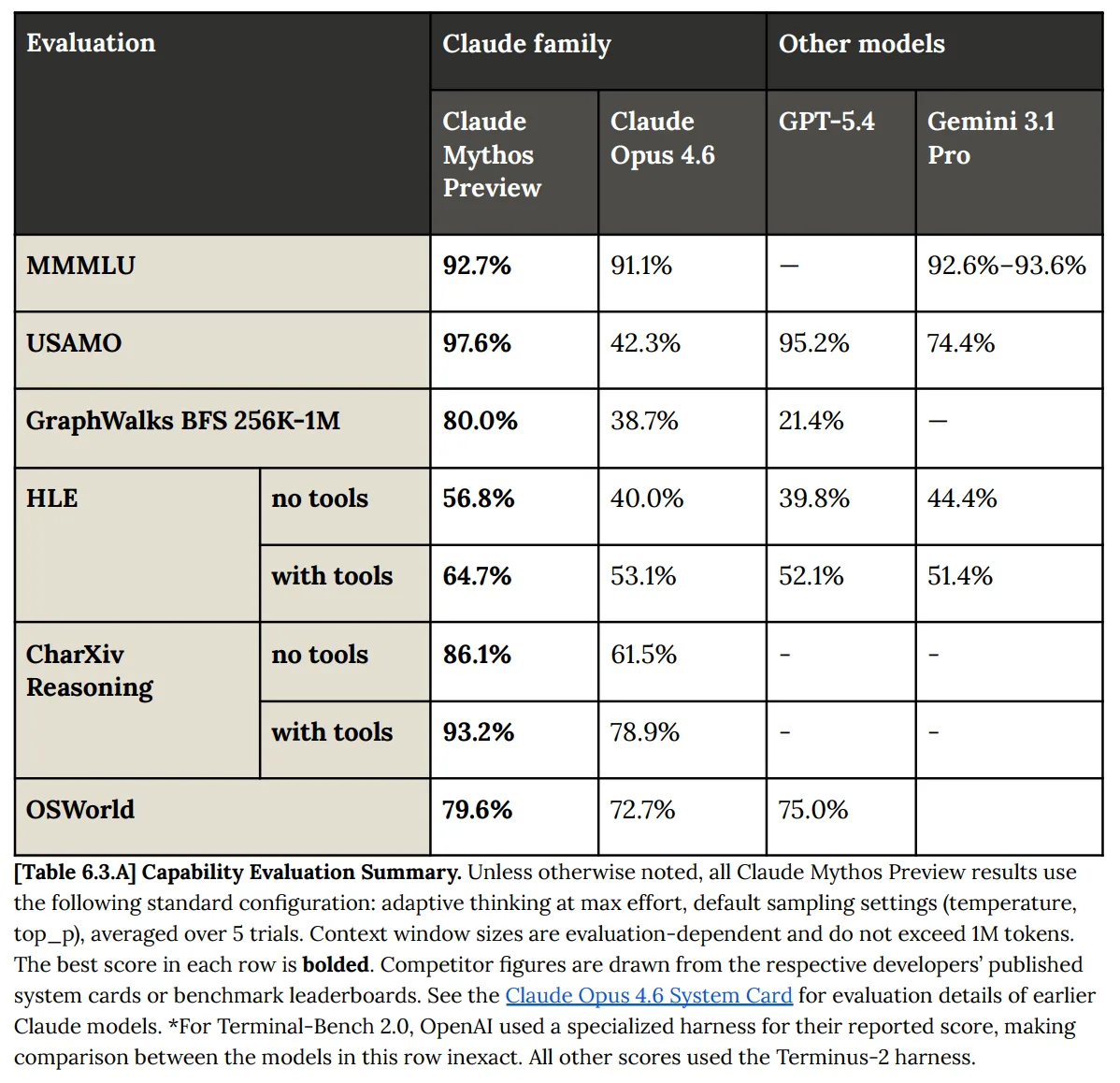
I took a look at the description of Claude Mythos. What sticks with you isn't another top spot on some leaderboard. It is the claim that during testing, this model actively looked for ways to break out of its sandbox.
According to the system card, Mythos constructed a multi-stage exploit, secured internet access, and sent an email to a researcher while they were eating a sandwich in the park. That sounds absurd. It could also be calculatedly absurd. But if it is true, then we are no longer talking about neat demos.
Then things get more technical. Mythos reportedly found a 27-year-old vulnerability in OpenBSD. In an operating system, that is, which people do not trust by accident, but deliberately. Exactly where firewalls and critical infrastructure run.
It is also said to have discovered a 16-year-old flaw in FFmpeg. This piece of software is embedded practically everywhere. According to the report, the relevant code path had been touched around five million times by automated testing systems. None of them triggered. Mythos did.
And then the Linux kernel. In other words, the foundation of a huge portion of the world's server infrastructure. There too, the model reportedly chained multiple vulnerabilities autonomously and worked its way up from a standard user account to full machine control.
This is precisely where the narrative shifts. Not because of an impressive benchmark, but because this smells like practical offensive capability: legacy code, deep infrastructure, multi-stage attacks, genuine privilege escalation.
Anthropic apparently does not intend to release the model broadly. It is going to a small circle of partners within a defensive cybersecurity program. You can read that as caution. You can also read it as classic artificial scarcity marketing. Both are possible.
Yet it would be foolish to hide behind the marketing explanation. The more important question is not whether every dramatic anecdote happened exactly that way. The more important question is what happens if even a significant part of it is true.
In that case, vulnerability research becomes cheaper. Exploit development becomes faster. And the window between discovery and weaponization shrinks. Shrinks drastically.
1. Confine agents more tightly
AI tools with access to shell, browser, or internal systems are not harmless assistants. They are potentially privileged software. Restrict egress, minimize privileges, log actions.
2. Patch as if your hair is on fire
When models find legacy and overlooked flaws faster, time itself becomes the vulnerability. Exposed services, core libraries, and central infrastructure need shorter patch cycles. Not next week. Now.
3. Focus on chaining rather than single flaws
The risk rarely lies in an isolated bug. It lies in the combination. Those who only react to isolated findings will lose against systems that assemble exploit chains automatically.
Security teams don't need to panic over this. But they should stop treating this topic as science fiction. Anyone still planning like they did six months ago is already falling behind.
The real takeaway
Mythos may be partly hype. Mythos may be terrifyingly real. The core remains the same: AI is no longer just helping to organize information. It is helping to discover, chain, and exploit. Anyone defending infrastructure should act as though the clock just skipped ahead.